





It is Easy Being Green: Little Tips, Big Impact
The world hasn’t gone to hell in a handbag yet, but scary statistics about pollution and climate change do need to be taken seriously. According to Cleanair.org, each year Americans throw away enough paper and plastic products to wrap around the equator three times, and the oil from one oil change is enough to contaminate a million gallons of fresh water. Paying attention to details and making small changes in our daily lives can make a sizable impact over time.
Recycle Your Cellphone
Your electronic gadgets are pricey because many require precious metals like gold, silver and palladium to work. These precious metals require huge, energy-sucking, toxic mining operations to be extracted, and the outcome isn’t pretty. Gold mines have been equated to nuclear waste dumps in terms of environmental damage, and they’re largely unnecessary. There are 100 to 130 million cellphones carelessly tossed away each year; the amount of wasted precious metals from them equates to more than some gold producing nations. Do the world a huge favor and recycle your out-of-date cellphone.

Photo by MikeFinkelstein via Flickr
Outsource Printing and Scanning
A report by an Australian air researcher revealed that the particulates from many household printers and scanners may be as dangerous as cigarette smoke. Even limited exposure can lodge in the lungs and cause anything from irritation to cancer. The lasers present in some scanners can pose radiation threats and expose you to harmful ultraviolet light. These products require many of the same precious, toxically-mined metals as your cell phone. As technology expands, there is much less need for printers, so a quick run to Kinkos beats buying and breathing printer ink. When it comes to your scanning needs, it’s easier and less expensive to outsource. Let the professionals scan your documents, photos and slides to digital.
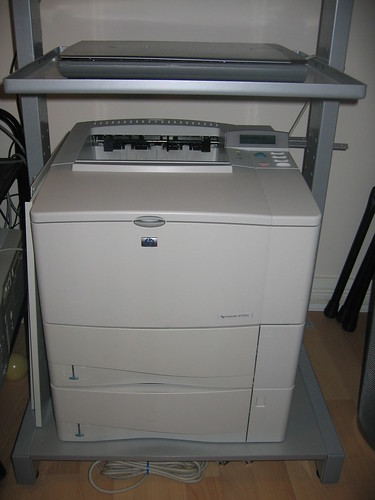
Photo by tawalker via Flickr
Cold Water for Your Clothes
Your clothes do not need to be washed in hot water. This is one of the easiest ways you can possibly go green. With the literal turn of a dial you can conserve wads of energy each year. Product-giant Procter and Gamble authorities remarked that if every American used cold water in washing machines, enough energy would be saved to light 2.5 million homes for an entire year. Go cold; your pink laundry won’t care.
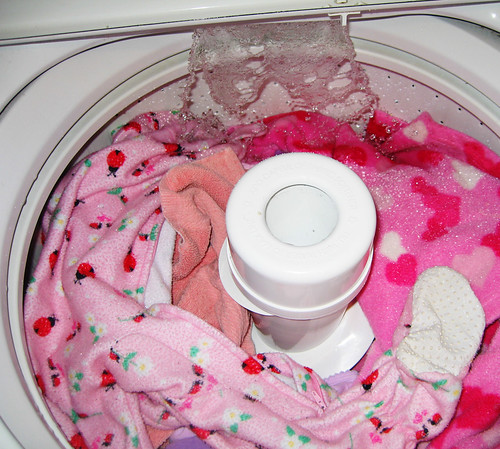
Photo by Sharon Mollerus via Flickr
Ditch Bad Bottle Habits
You’ve heard it before, yet plastic bottle sales are still going strong. Stop using disposable plastic bottles. Stop today. National Geographic reports that we use 7 billion gallons of bottled water every year; many of them contribute to the destruction of the ocean and soil. What you don’t probably know is that over 1 million barrels of oil is required to produce the “convenient” little bottles, enough to fuel 100,000 cars for a whole year. Instead of contributing to this industry, use a water filter or simply buy huge bottles that last a very long time.
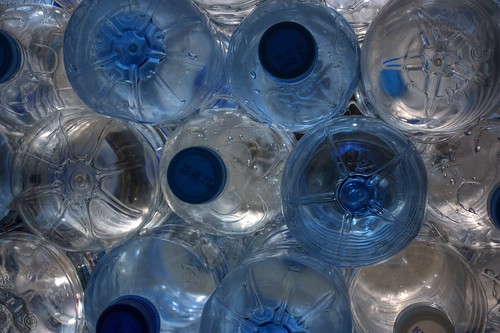
Photo by Klearchos Kapoutsis via Flickr
